
✓
SNAP / EBT
SNAP participation is a current Lifeline qualification route. Students living in a qualifying SNAP household may benefit from the household's Lifeline eligibility.
Students do not qualify for Lifeline simply because they attend school. A student or household may qualify through SNAP, Medicaid, SSI, Federal Public Housing Assistance, Veterans Pension, qualifying Tribal programs, or household income at or below the current Lifeline threshold.
Yes, but the qualification comes from the household's Lifeline eligibility, not from student status itself. The wireless company may then offer a free, discounted, or upgrade-priced smartphone based on its current inventory and promotion.
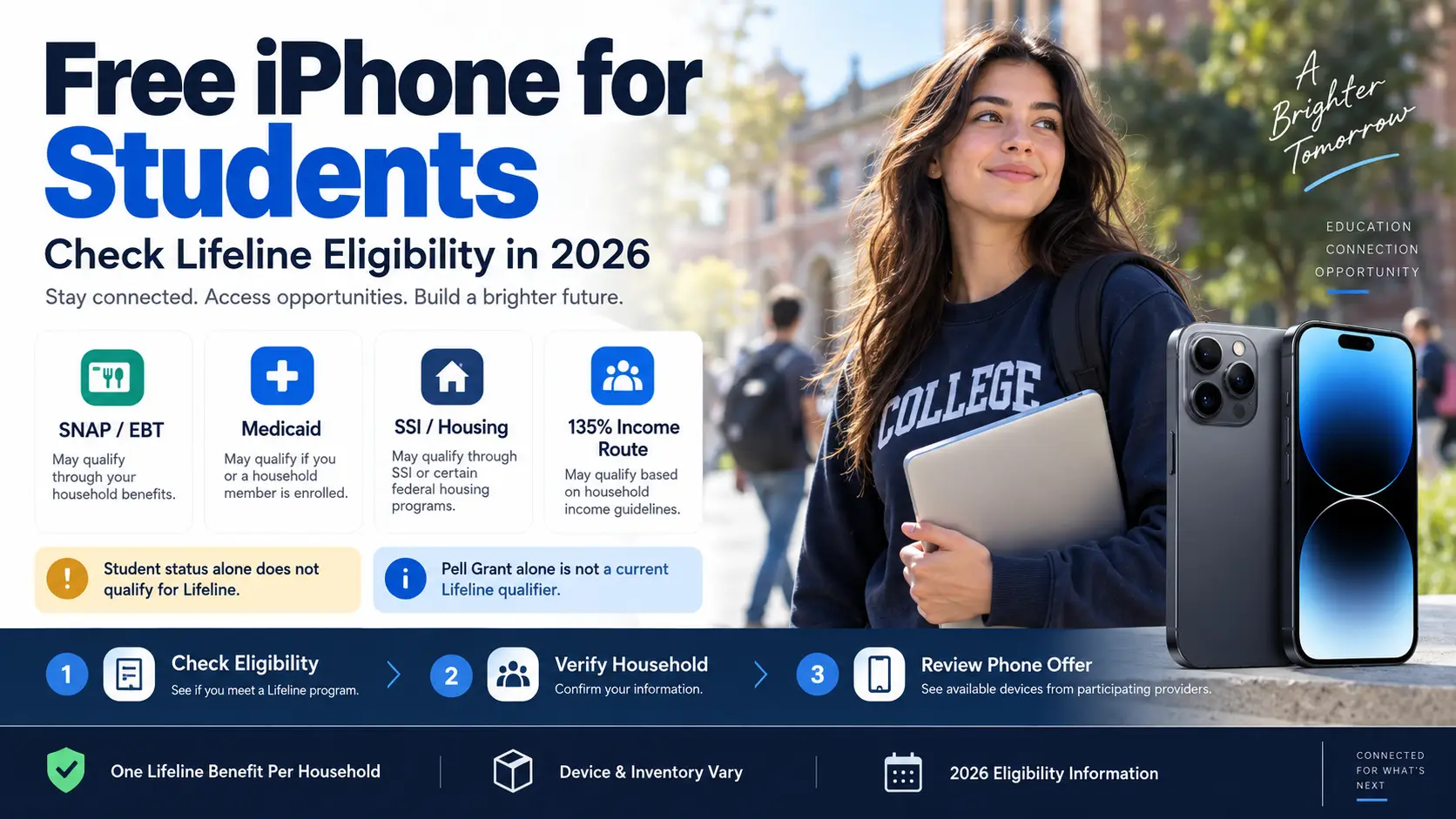
A student may qualify directly or through an eligible household when one of the accepted Lifeline routes applies.
SNAP participation is a current Lifeline qualification route. Students living in a qualifying SNAP household may benefit from the household's Lifeline eligibility.
Active Medicaid participation can establish program-based Lifeline eligibility for the applicant or qualifying household.
Supplemental Security Income is an accepted Lifeline program and can support eligibility when verification requirements are met.
Federal Public Housing Assistance, including qualifying federal housing categories, can support Lifeline eligibility.
Veterans Pension and Survivors Benefit are current program-based qualification routes for Lifeline.
Students or households can also qualify when countable household income is at or below 135% of the applicable Federal Poverty Guidelines.
A Pell Grant alone does not establish Lifeline eligibility in 2026. Pell Grant and certain school-based categories were associated with the former ACP framework. The ACP ended on June 1, 2024. Current Lifeline eligibility should be checked against accepted Lifeline programs or the 135% income threshold.
If no accepted assistance program applies, household income can provide a separate qualification route.
48 contiguous states, District of Columbia, and territories. Alaska and Hawaii use higher thresholds.
Keep federal eligibility and the wireless company's device offer separate. Approval for Lifeline does not guarantee a particular iPhone model.
Use SNAP, Medicaid, SSI, housing, Veterans benefits, Tribal programs, or household income.
Keep identity, program-participation, address, or income documentation available if the official process requests it.
Finish the Lifeline verification process that applies in your state before relying on any phone promotion.
Confirm model, device condition, customer cost, data plan, shipping, and inventory with the participating company.
Exact documents depend on what the official eligibility system can verify automatically.
Device availability is controlled by participating wireless companies. Older models are more likely to appear in free or low-cost tiers than the newest premium iPhones.
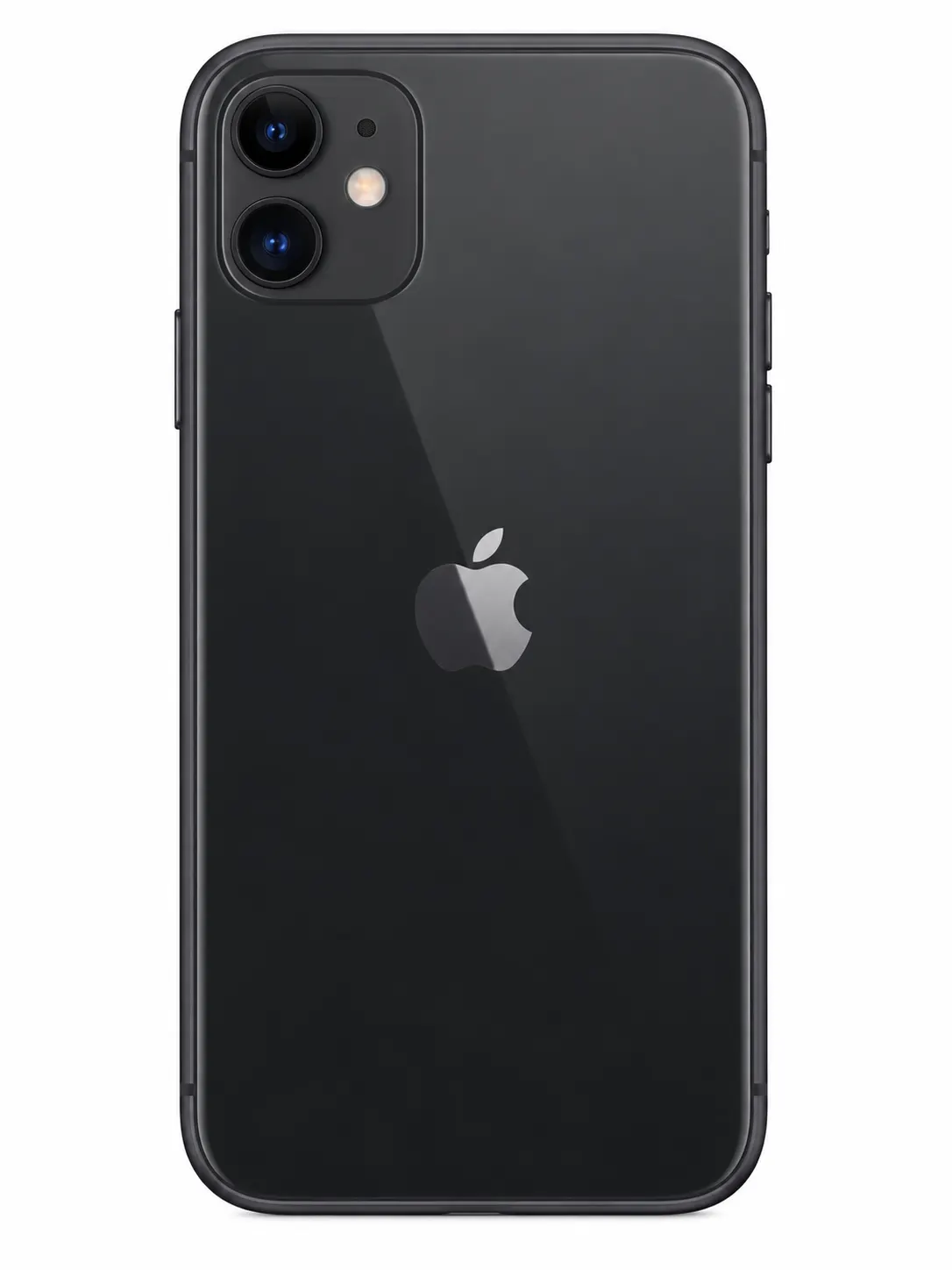
Older refurbished inventory can appear in $0 or low-cost promotions when available.
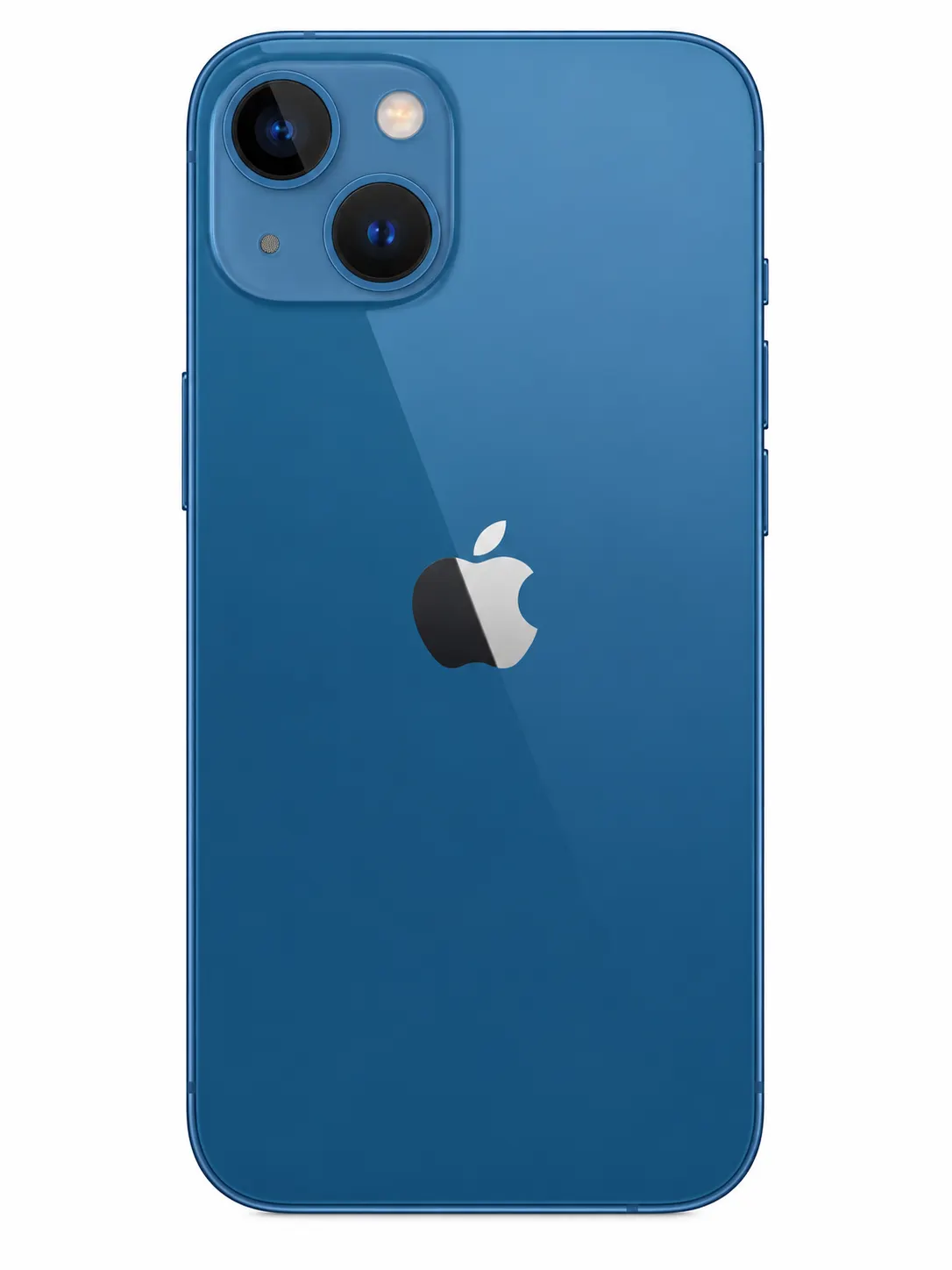
Often positioned above entry-level device inventory with provider-specific pricing.
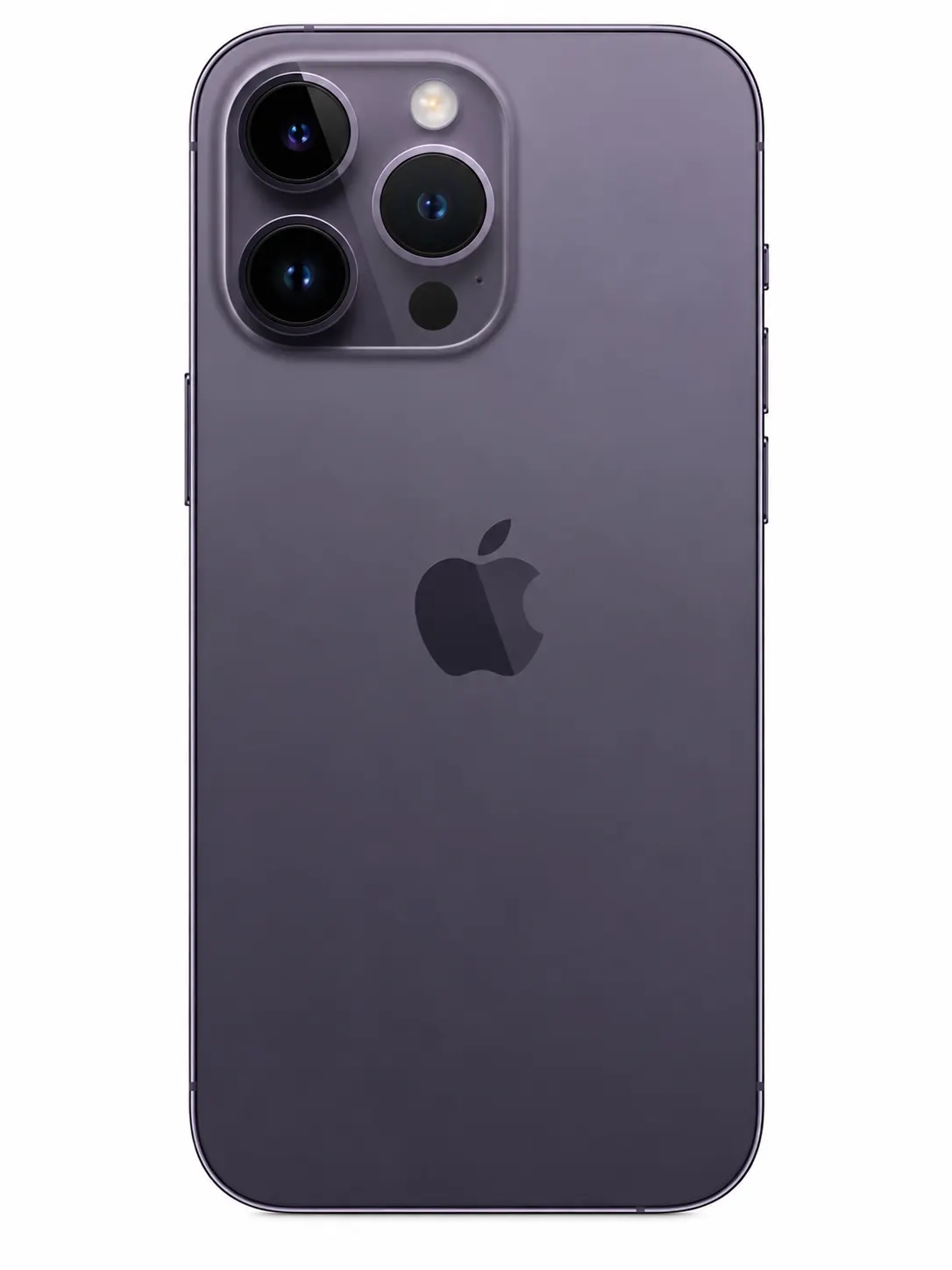
Availability can require a larger promotional payment or upgrade amount.
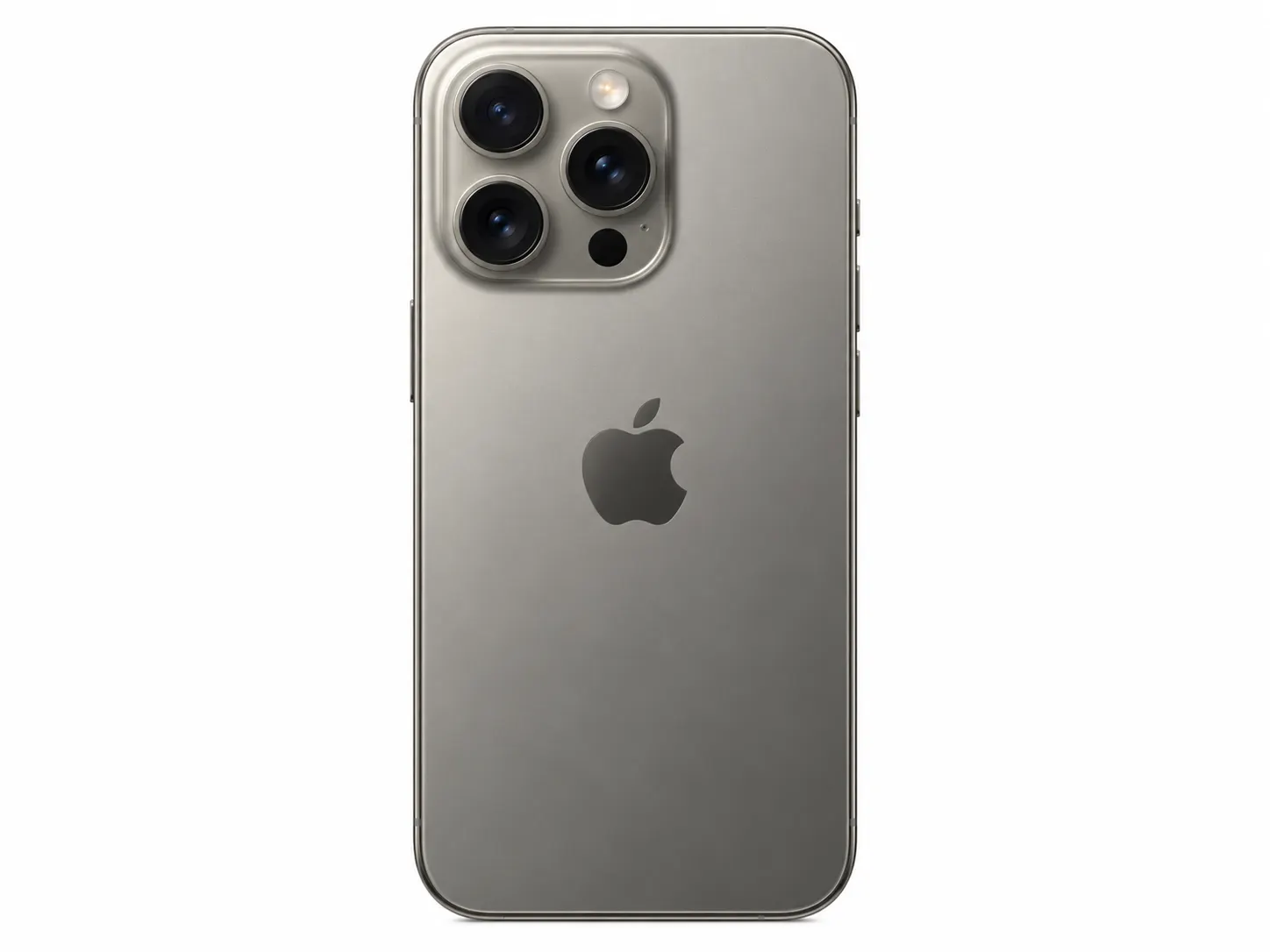
High-end models should be treated as carrier-specific upgrade offers, not a guaranteed free Lifeline device.
A qualifying phone and wireless plan can support school, work, transportation, and daily communication.
Access schedules, email, learning platforms, campus alerts, and class updates from a mobile device.
Use educational apps, document tools, browser research, cloud files, and video communication when mobile access is needed.
Manage part-time shifts, employer messages, maps, rides, public transit information, and essential calls.

David reviews Lifeline program terminology, current qualification routes, provider-device distinctions, and state-level rollout information for Apply Free iPhone Center. Reviewed September 14, 2026.
Start with SNAP, Medicaid, SSI, housing, Veterans benefits, Tribal programs, or the 2026 income threshold, then review your state and current device options.